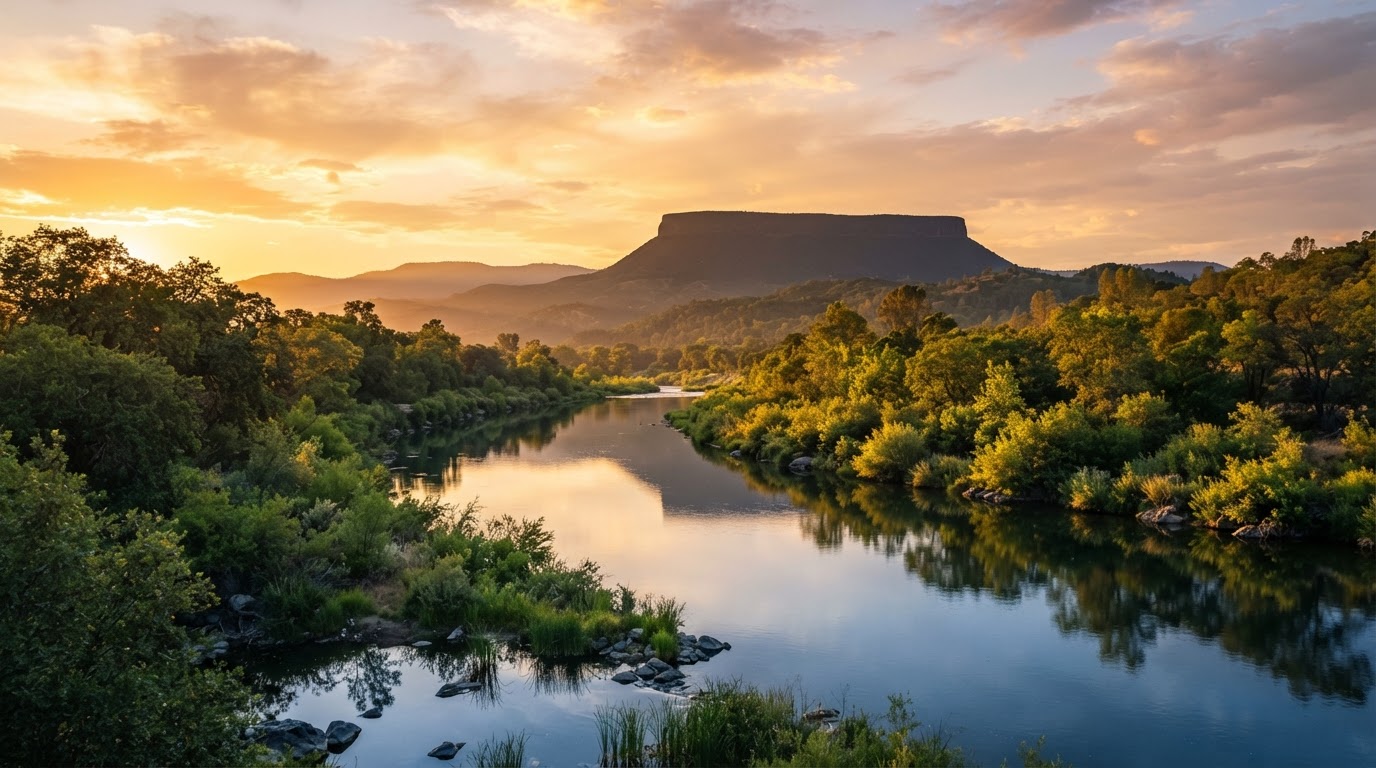
Raise the Standard for Our Community
Clean and Safe Parks Today. Thoughtful Community Planning for Tomorrow.
My current campaign is focused on serving the Feather River Recreation and Park District with practical leadership, responsible planning, stronger recreation opportunities, and a commitment to clean and safe parks.
I also believe community leadership requires us to think beyond a single election or project. The Future of Oroville Plan provides a place to explore long-term ideas, conduct research, invite community feedback, and discuss what Oroville could become over the years ahead.
Focused on Today Without Losing Sight of Tomorrow
FRRPD Parks and Recreation Vision
This is the immediate focus of Dacoda's 2026 campaign for the Feather River Recreation and Park District Board of Directors. It centers on the district's parks, facilities, recreation programs, public accountability, and long-term stewardship.
Within the Current CampaignView the Parks and Recreation PrioritiesFuture of Oroville Plan
This is a growing collection of vision papers, research, and community ideas exploring Oroville's long-term future. It is not a campaign platform, an official government plan, or a promise that every concept will be implemented.
Ideas for Research and Community DiscussionExplore the Long-Term VisionDacoda Quinn is currently running only for the Feather River Recreation and Park District Board of Directors. Ideas outside FRRPD authority are presented for research and community discussion—not as promises of the current campaign.
A Practical Vision for the Feather River Recreation and Park District
My immediate goal is to help build a recreation district that takes care of what it already has, plans responsibly for what comes next, and keeps residents informed along the way.
The district cannot complete every improvement at once. Responsible leadership means identifying needs, studying costs, prioritizing projects, pursuing grants and partnerships, listening to residents, and clearly explaining what can realistically be accomplished.
Clean and Well-Maintained Parks
Improve maintenance planning, cleanliness, restroom conditions, landscaping, sports fields, playground care, walking areas, and long-term facility stewardship.
Read the PolicySafe and Welcoming Public Spaces
Support improved lighting, visibility, emergency access, responsible safety measures, staff and community partnerships, and clear privacy protections.
Read the PolicyInclusive and Accessible Recreation
Plan parks, playgrounds, programs, trails, and amenities that better serve children, parents, seniors, athletes, and residents with disabilities.
Read the PolicyYouth Sports and Community Programs
Strengthen affordable youth sports, recreation programs, family activities, community events, mentorship, and opportunities for teenagers.
Read the PolicyResponsible Facility Investment
Evaluate aging playgrounds, sports fields, lighting, shade, seating, restrooms, pathways, and community facilities through realistic costs, timelines, funding, and maintenance requirements.
Read the PolicyTransparent and Accountable Leadership
Use understandable budgets, measurable goals, public updates, accessible communication, and honest explanations when timelines or priorities change.
Read the PolicyA Better Process Produces Better Results
Strong leadership is not measured by the number of ideas announced. It is measured by how carefully needs are identified, decisions are made, resources are protected, and results are reported.
Listen
Gather input from residents, families, athletes, staff, community organizations, and people who use district facilities.
Document the Need
Use park audits, facility assessments, participation data, maintenance information, and community experiences to establish a clear baseline.
Study Feasibility
Evaluate costs, site conditions, accessibility, safety, staffing, maintenance, environmental considerations, and long-term operations.
Identify Funding
Consider existing revenue, grants, partnerships, sponsorships, donations, phased implementation, and other responsible funding opportunities.
Set Priorities
Compare urgency, community benefit, affordability, readiness, and long-term sustainability before committing resources.
Report Results
Tell residents what was decided, why it was selected, what it will cost, how it will be funded, and whether the plan remains on schedule.
Residents Should Be Able to See the Difference
Campaign language means little without measurable follow-through. If elected, I want residents to be able to understand the district's priorities and see whether conditions, services, and communication are improving.
Specific measurements should be established using verified baseline information, adopted district priorities, available funding, and public board action.
The Future of Oroville Plan
The Future of Oroville Plan is a living collection of vision papers exploring ideas that could strengthen Oroville for generations.
It is not an official government plan, a finalized development proposal, or a promise that every idea will be pursued. It is a place to research possibilities, estimate benefits and challenges, identify potential funding sources, and invite residents into the conversation.
Some concepts may fall within the responsibilities of parks and recreation. Others may involve the City of Oroville, Butte County, school districts, private organizations, businesses, nonprofits, tribes, state agencies, or regional partnerships.
The purpose is not to pretend one person or one agency can deliver everything. The purpose is to encourage thoughtful discussion, preserve strong ideas, improve them through research, and help the community think beyond short-term decisions.
What It Is
- A living collection of community vision papers
- A place for research and public discussion
- A framework for examining costs, funding, benefits, and challenges
- A long-term resource that can evolve through community feedback
What It Is Not
- Not an official government planning document
- Not a list of approved projects
- Not a promise that every concept will happen
- Not a replacement for public hearings, feasibility studies, or agency approval
- Not the formal platform of the current FRRPD campaign
Thinking About the Whole Community
A strong community depends on many connected systems. The Future of Oroville Plan explores how these areas can support one another over time.
Parks and Recreation
Destination parks, inclusive playgrounds, youth sports, outdoor recreation, trails, community facilities, events, and stronger maintenance planning.
Related PolicyEconomic Development
Responsible business recruitment, local entrepreneurship, manufacturing, technology, workforce development, and opportunities that expand the local economy.
Downtown Revitalization
Public spaces, events, beautification, historic preservation, small-business activity, arts, entertainment, and a more active downtown.
Tourism and Community Events
Outdoor recreation, cultural events, festivals, local history, the Feather River, Table Mountain, and experiences that encourage visitors to stay longer.
Education and Career Readiness
Student success, financial literacy, trades, agriculture, career preparation, youth leadership, and partnerships connecting education with local opportunity.
Related PolicyInfrastructure
Roads, sidewalks, lighting, drainage, utilities, transportation connections, public facilities, and responsible long-term maintenance.
Housing and Neighborhoods
Housing choice, neighborhood stability, responsible growth, senior living, first-time buyers, rehabilitation, and quality-of-life improvements.
Public Safety and Well-Being
Prevention, emergency readiness, clean public spaces, mental-health partnerships, homelessness responses, and community-based safety strategies.
Related PolicyAgriculture and Local Food
School agriculture, local farms, food production, agricultural education, small producers, and preserving Oroville's agricultural identity.
Arts, Culture, and History
Museums, public art, local history, tribal collaboration, historic sites, community recognition, and cultural events.
Youth, Families, and Seniors
Recreation, childcare, mentorship, family events, youth opportunity, senior activities, accessibility, and intergenerational community spaces.
Related PolicyEnvironment and Outdoor Identity
The Feather River, open spaces, trails, trees, habitat, wildfire resilience, responsible recreation, and protection of the natural features that define Oroville.
Cards without a link are still in the research and discussion stage and do not yet have a corresponding policy page.
Every Vision Paper Should Answer the Hard Questions
Ideas become more useful when residents can examine how they might work. Future of Oroville vision papers should be developed through a consistent structure.
Costs, timelines, and funding sources must be clearly labeled as preliminary until supported by professional analysis, verified data, formal applications, adopted budgets, or agency action.
What Should Oroville Become?
The Future of Oroville Plan should continue evolving through the experiences and ideas of the people who live here. Residents may suggest a project, identify a challenge, share a local success worth expanding, recommend a subject for research, or explain what they want Oroville to become over the next five, ten, or twenty years.
Oroville's future will not be built by one person, one election, or one idea. It will be built by residents, families, local organizations, businesses, public agencies, educators, volunteers, and community leaders willing to work together.
My current responsibility is to earn the trust of voters in the Feather River Recreation and Park District and present a practical plan for clean and safe parks, stronger recreation, and accountable leadership.
The Future of Oroville Plan allows us to keep thinking, researching, listening, and preparing for the opportunities and challenges that extend beyond a single campaign.
For the People, Not the Party.

